Why it exists
Connect parking administration, camera-based entry, mobile access, and physical barrier control as one system.
2024 / Project case study
Connected Parking Access & Supervision System
A complete parking management and supervision project combining an admin platform, Flutter mobile access, Quercus license-plate recognition, WT32 barrier control, MQTT orchestration, and containerized backend services.
Connect parking administration, camera-based entry, mobile access, and physical barrier control as one system.
Engineered the administration and Flutter journeys, LPR and MQTT integration, and WT32 firmware with configuration and maintenance tools.
Complete multi-application IoT system
Explore the implementationMacroPark was my 2024 graduation project at Scheidt & Bachmann Maghreb, delivered across five Scrum sprints. I engineered and validated its administration, Flutter access, LPR/MQTT, and embedded barrier-control workflows. Administrators manage users, guests, access evidence, barriers, emergency commands, and event logs; drivers enter through camera-based plate recognition or the mobile app over BLE; and WT32-ETH01 firmware controls four barrier channels with persistent configuration and OTA maintenance.
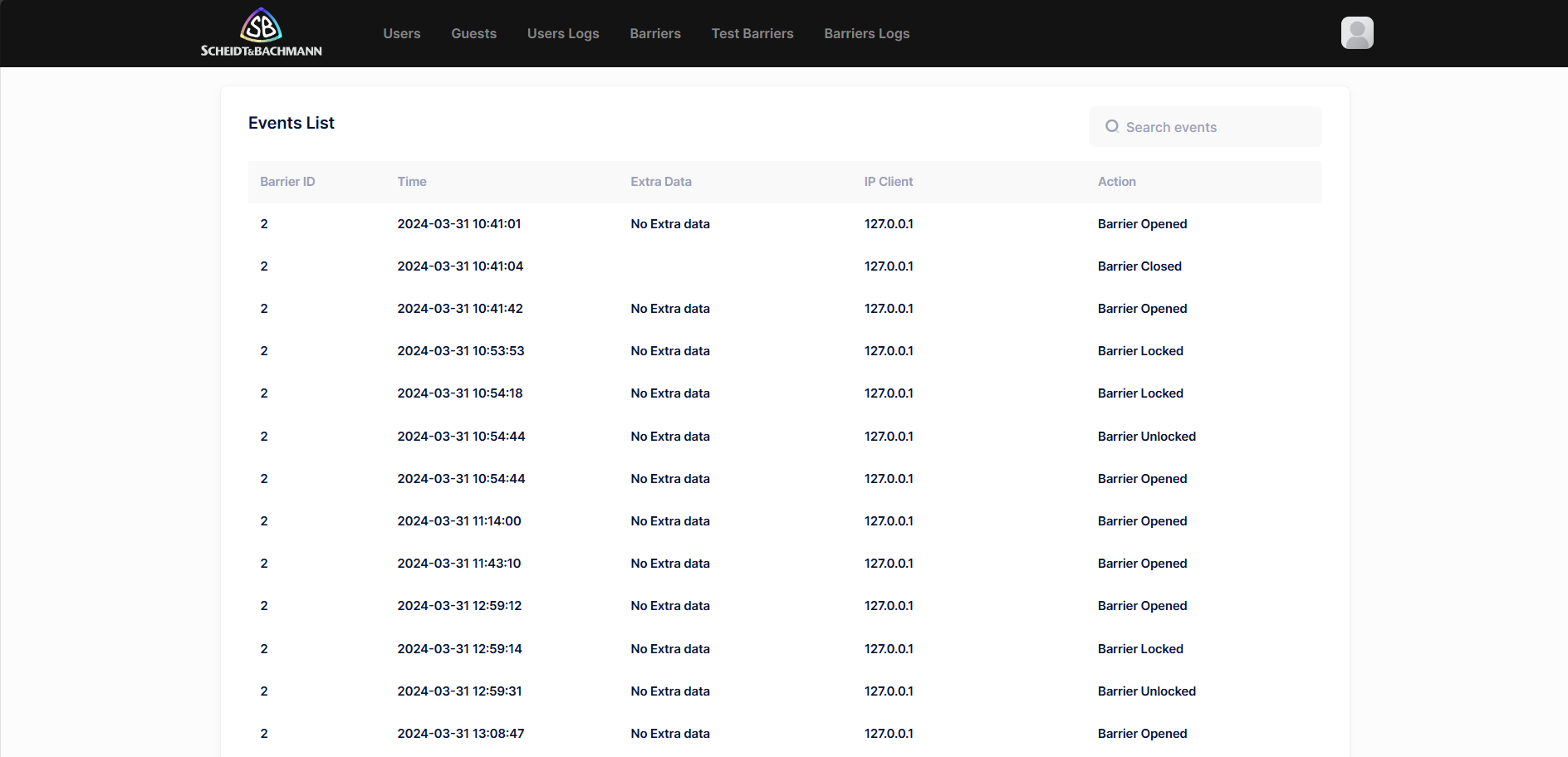
Graduation project at Scheidt & BachmannA central dashboard connects user, guest, entry-history, barrier, emergency-control, and barrier-event modules.
Administrators manage registered employees, license plates, invited visitors, approvals, and access credentials.
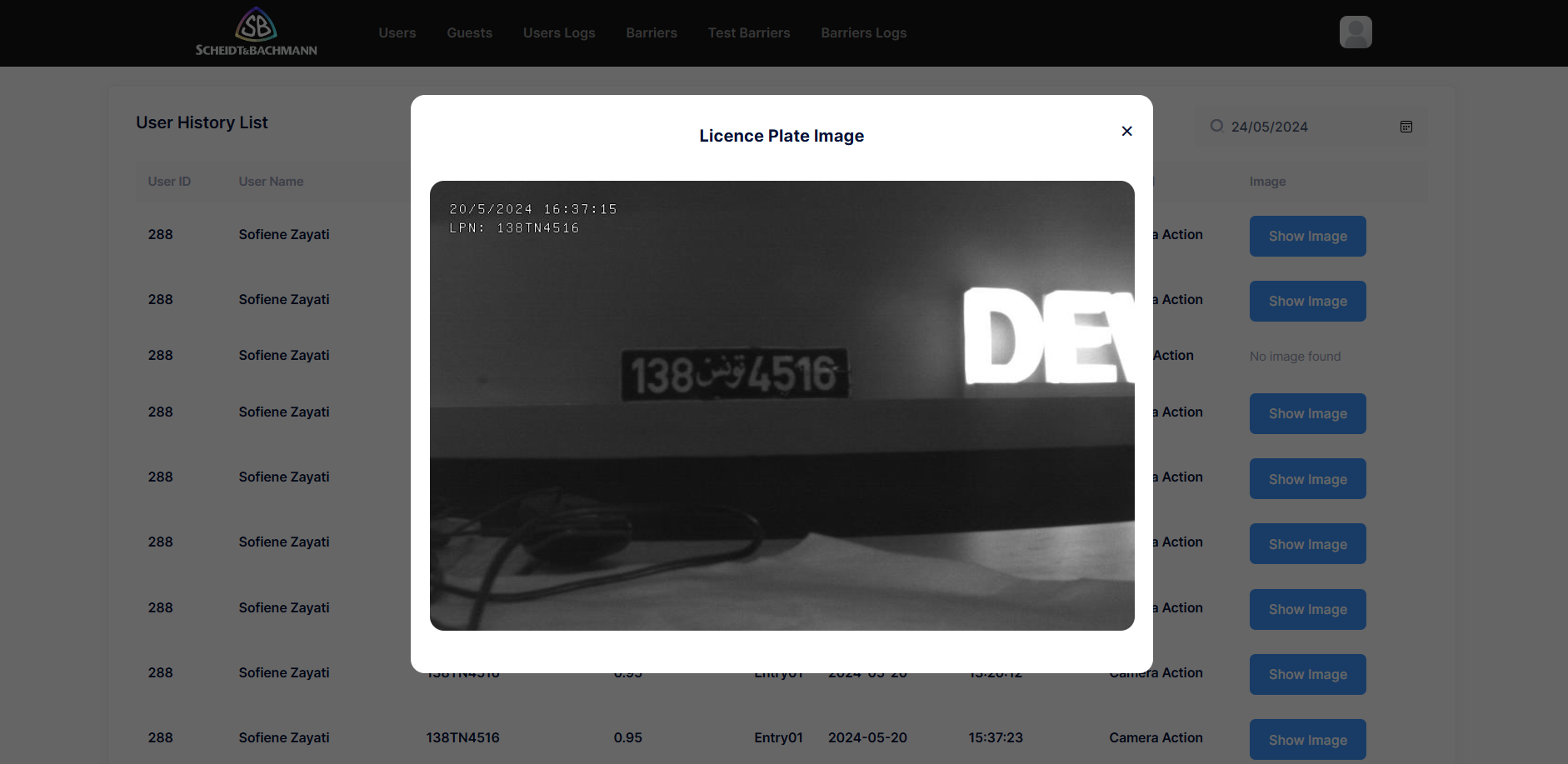
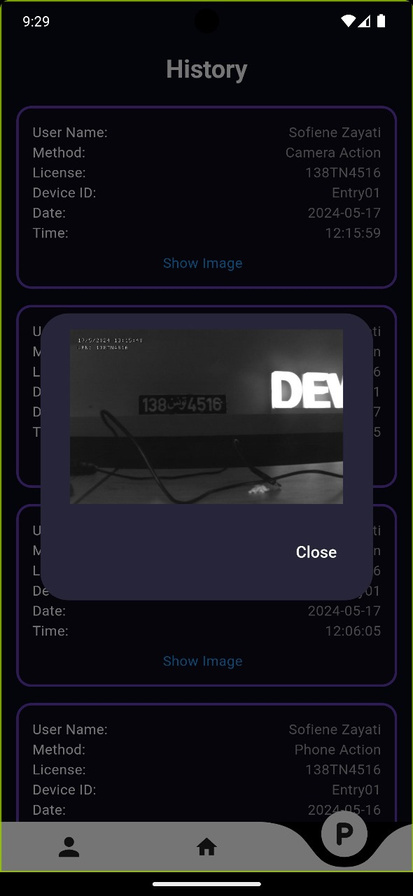
Every access record can include user, method, device, time, recognized plate, and captured LPR evidence.
Installed barriers, individual command channels, emergency actions, and controller event logs are managed from the web platform.
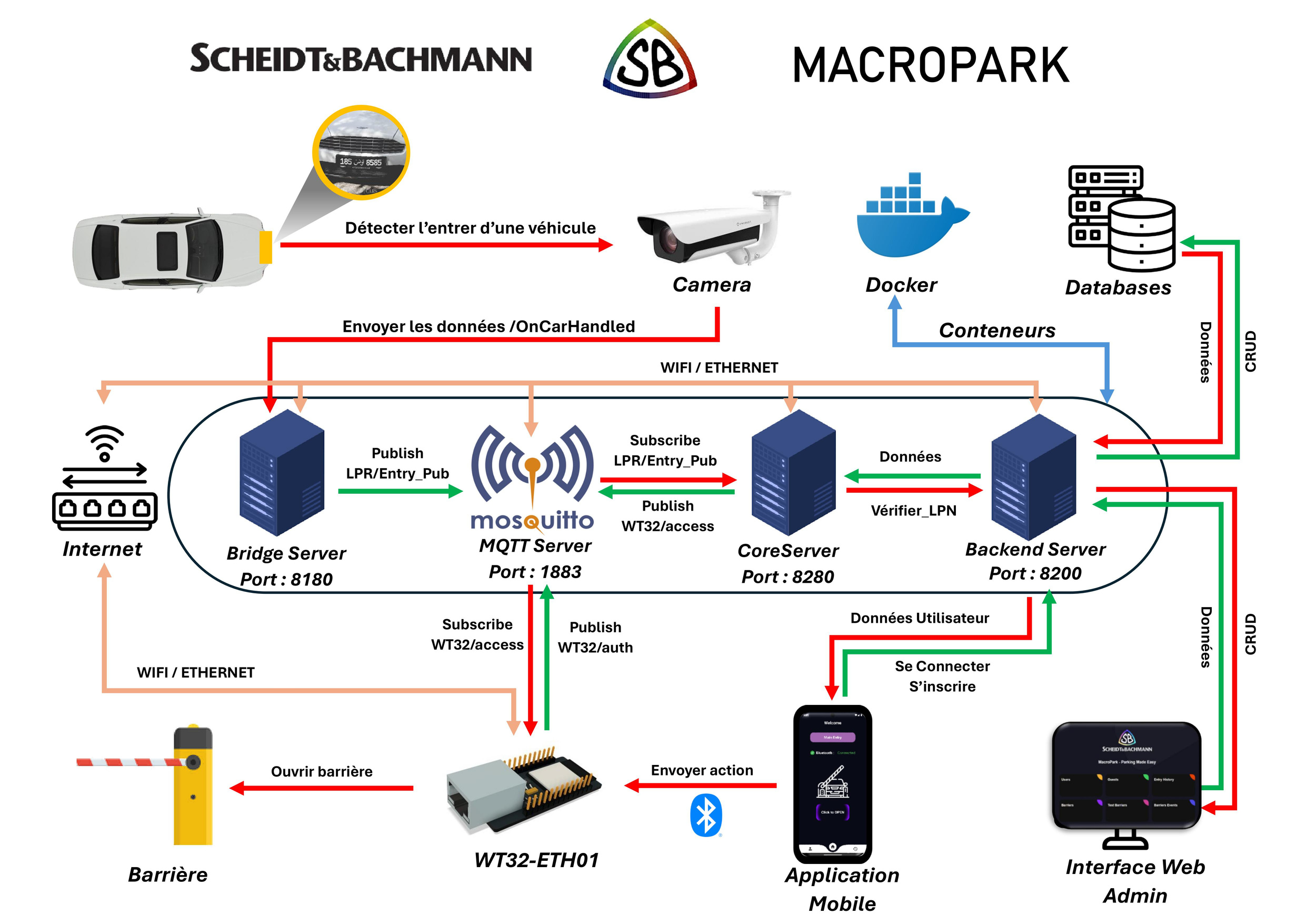
A Quercus SmartLPR camera captures plates, passes them through Bridge and Core services, and triggers an approved barrier command.
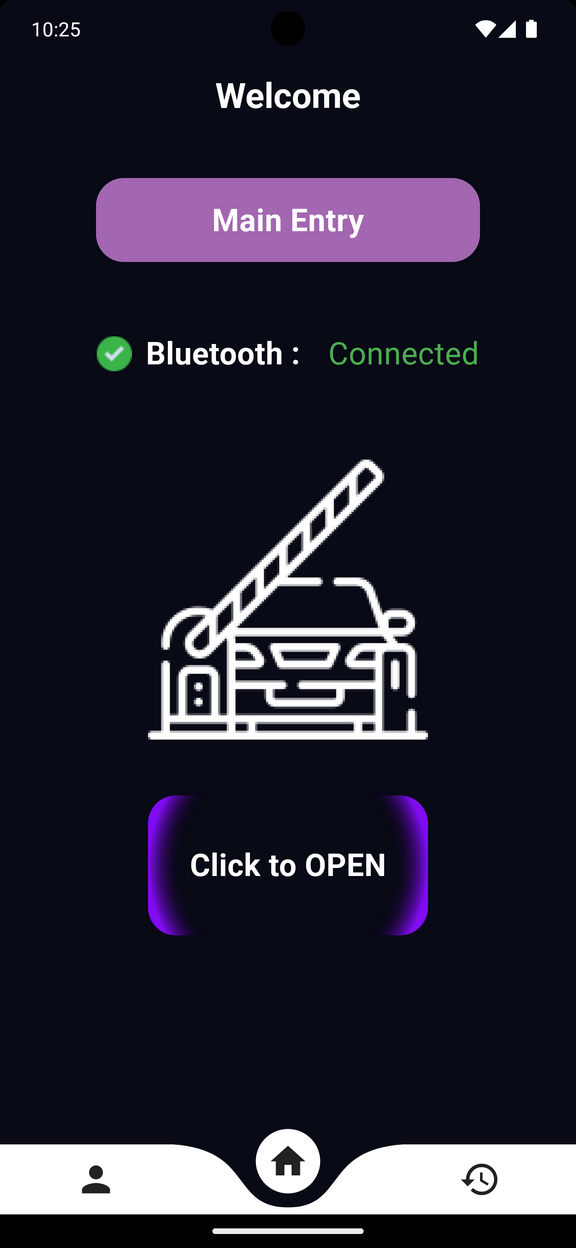
Authenticated drivers can request barrier access from the Android app, then review their profile and camera or phone access history.
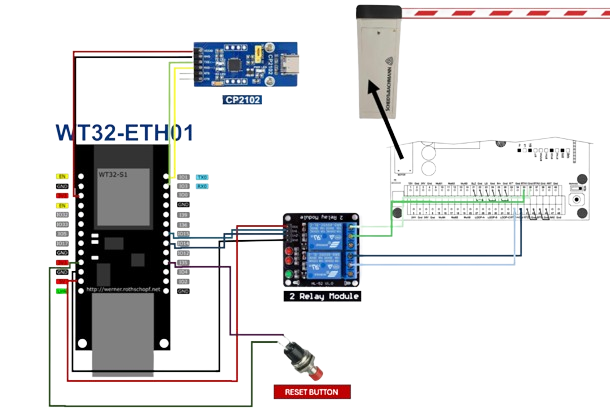
The WT32 firmware drives four independent open/close relay pairs and supports timed automatic closing for mobile commands.
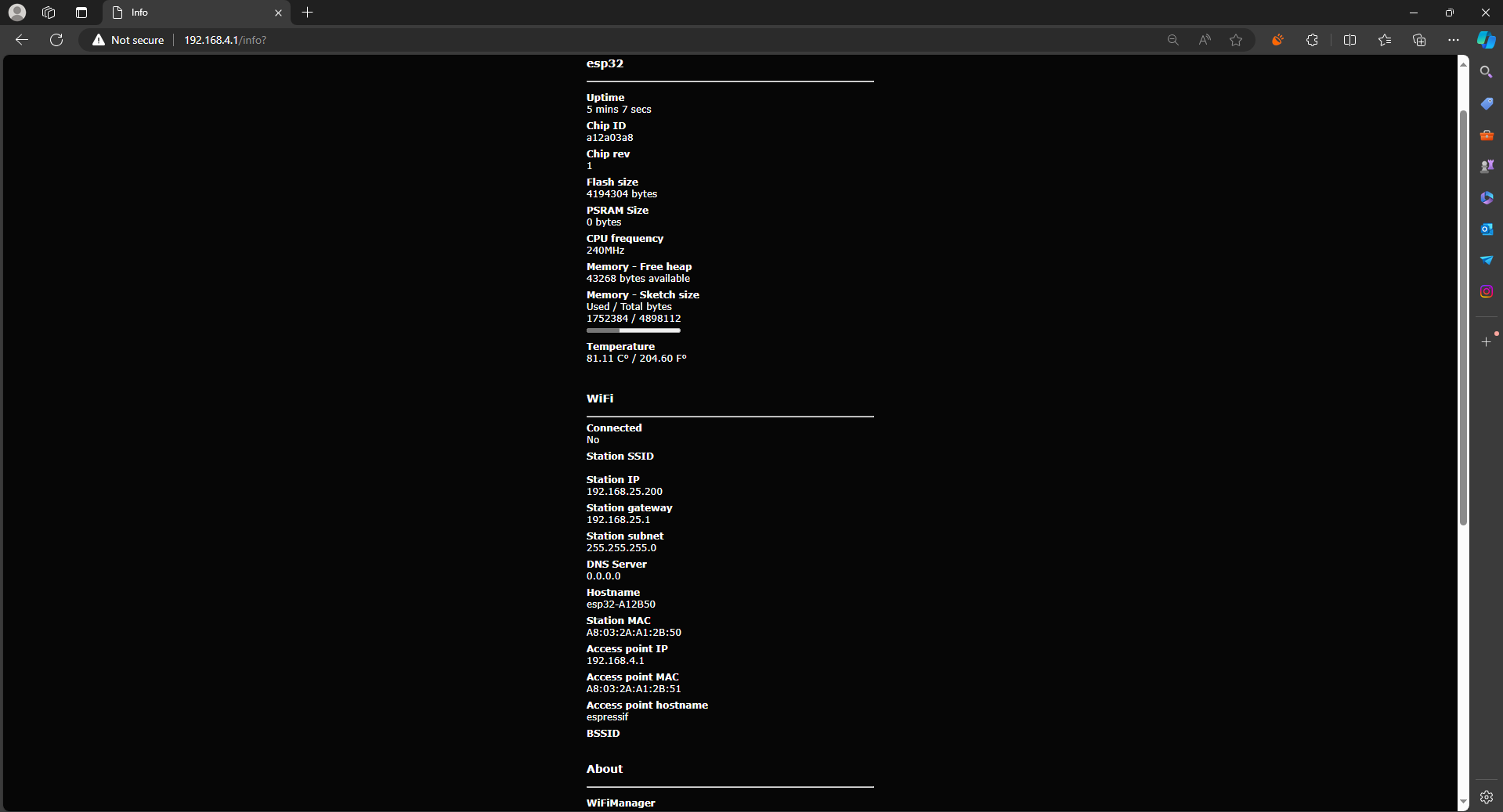
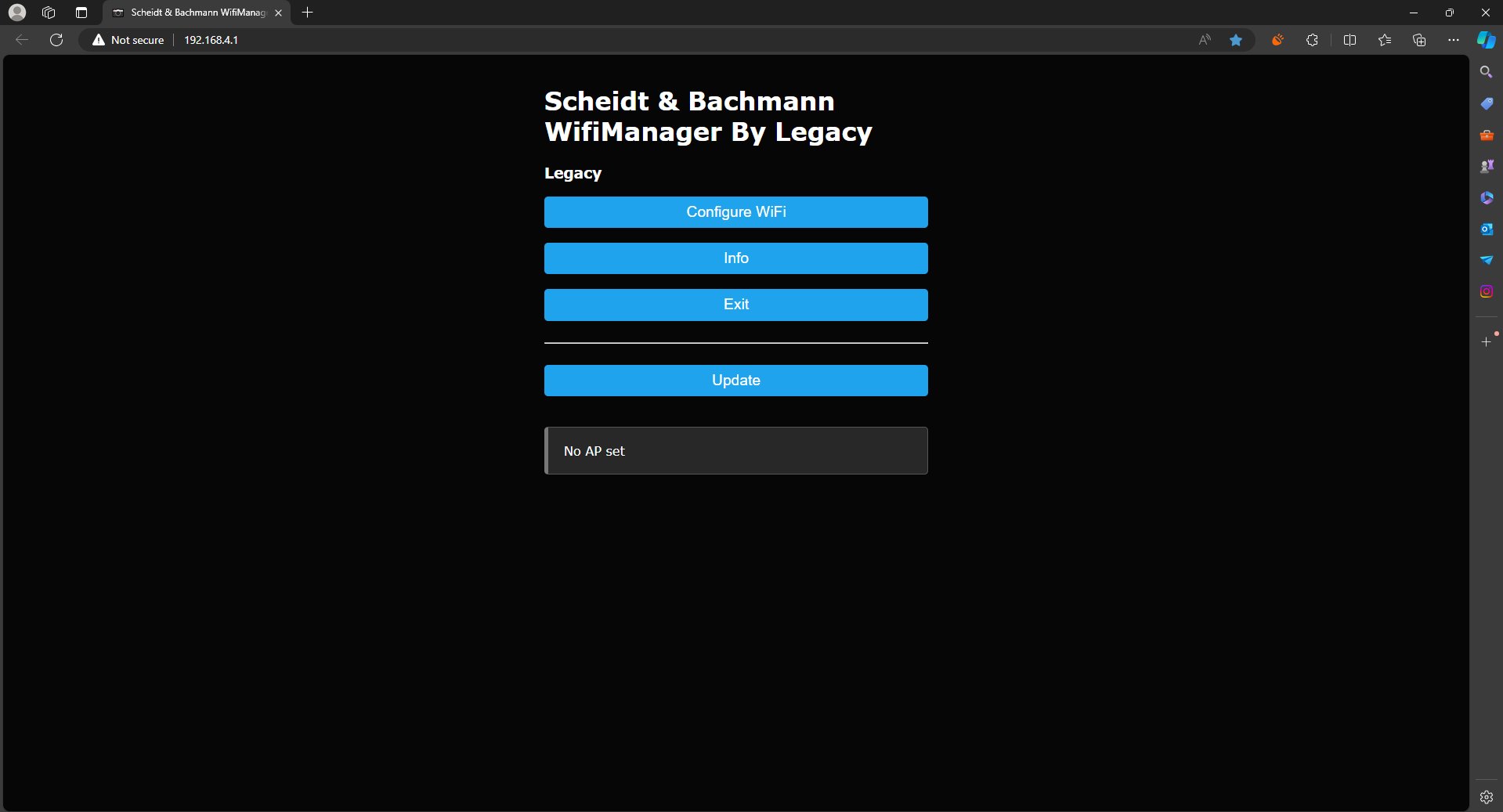
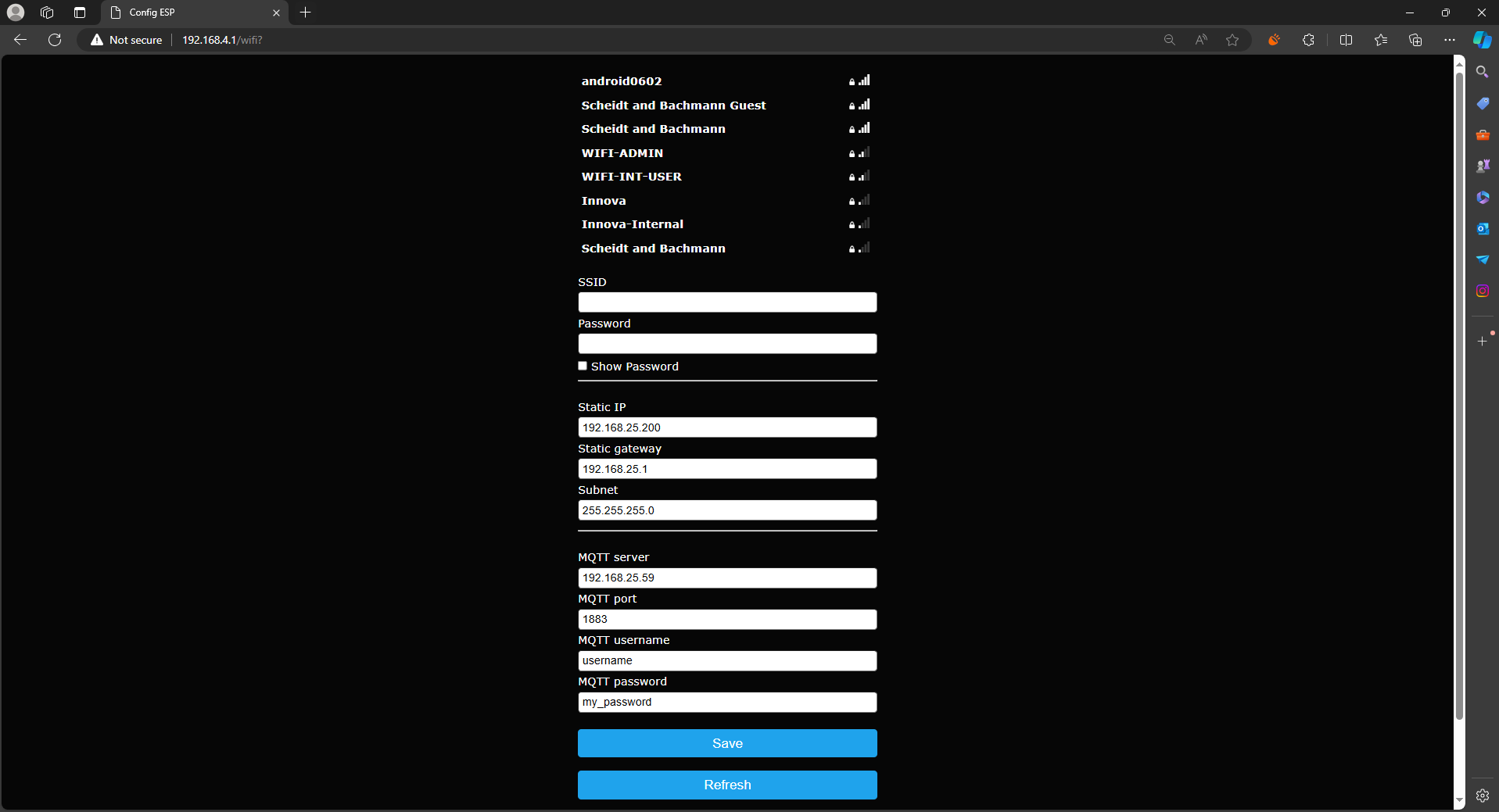
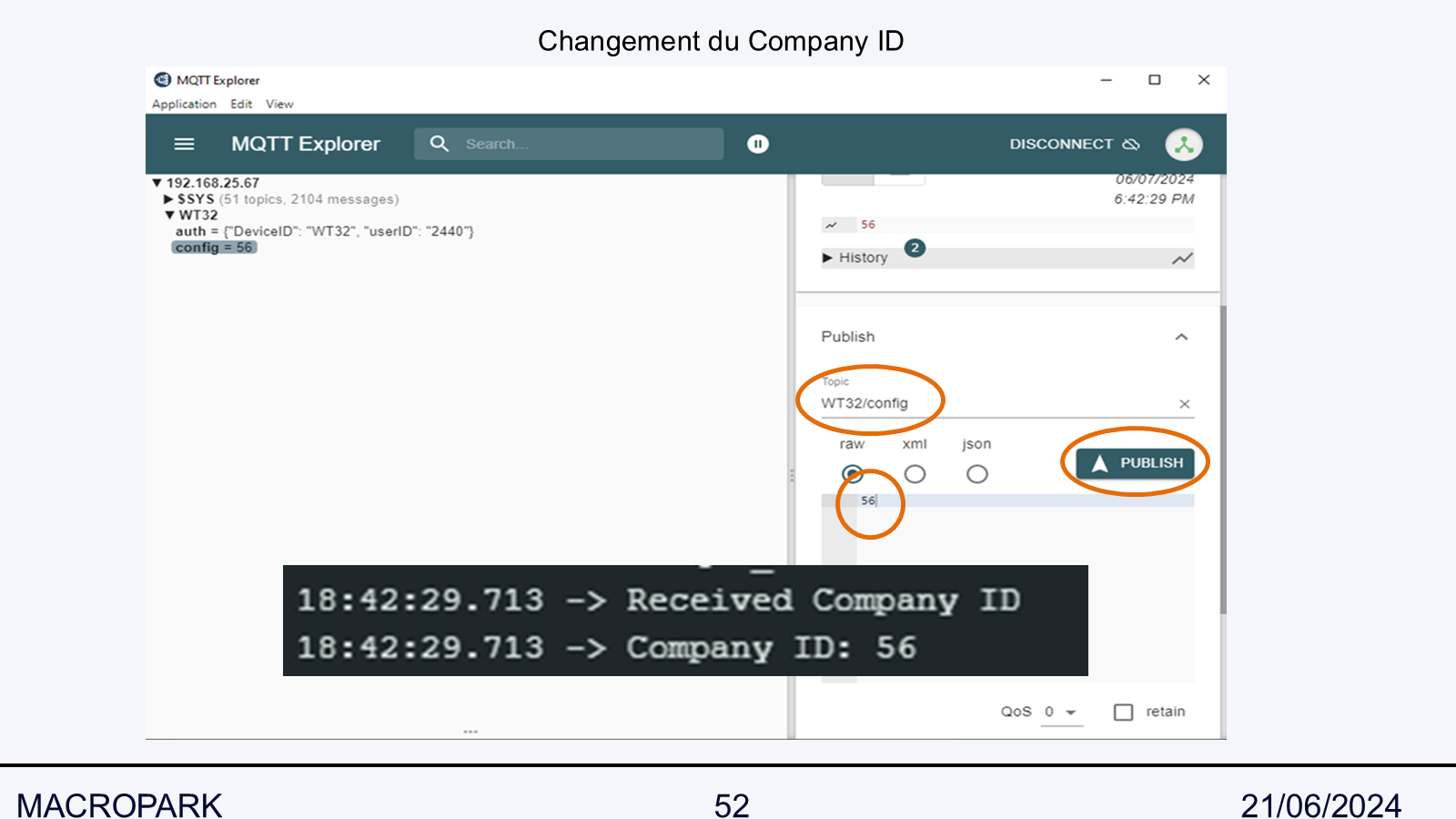
A local configuration portal manages IP and MQTT settings; SPIFFS preserves network and company-ID configuration across restarts.
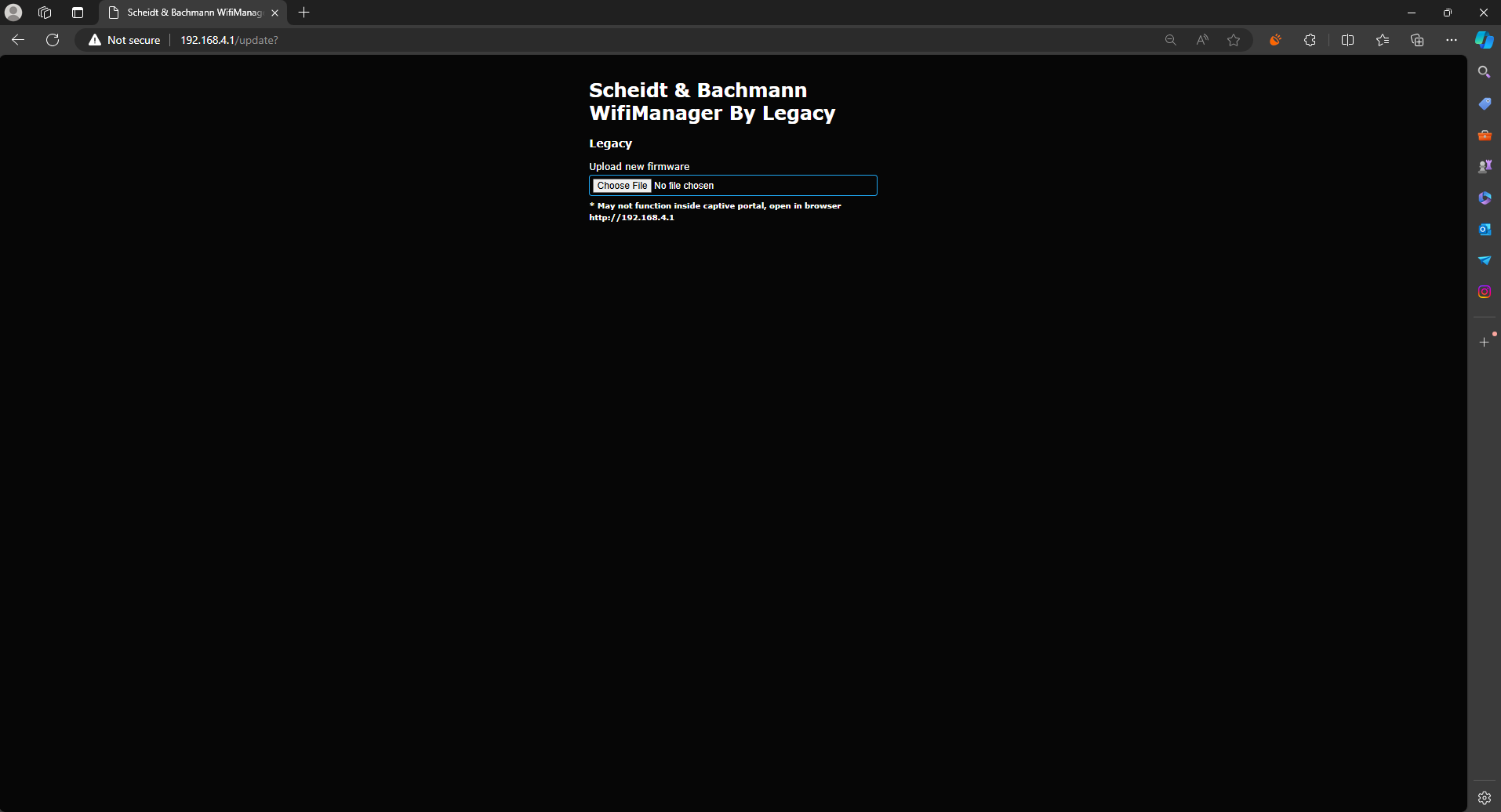
Arduino OTA handlers and the controller web portal provide a practical remote firmware-update workflow.
Docker Compose starts the Backend, Core, LPR/Bridge, and Mosquitto services together with explicit ports and topics.
Camera and mobile access paths converge on the same services, controller, physical barriers, and traceable operating history.
MacroPark is the complete product. Its architecture map shows how the admin platform, mobile app, Quercus camera, Bridge server, Core server, Backend server, databases, Mosquitto broker, WT32 controller, and physical barrier work together.
The WT32-ETH01 connects network communication to physical relay outputs. The supplied 566-line firmware covers Ethernet and Wi-Fi setup, MQTT subscriptions, BLE scanning, four barrier channels, timed closing, SPIFFS configuration, reset behavior, and OTA updates.
Actual project screens and documented visuals. Open any image for the full view.
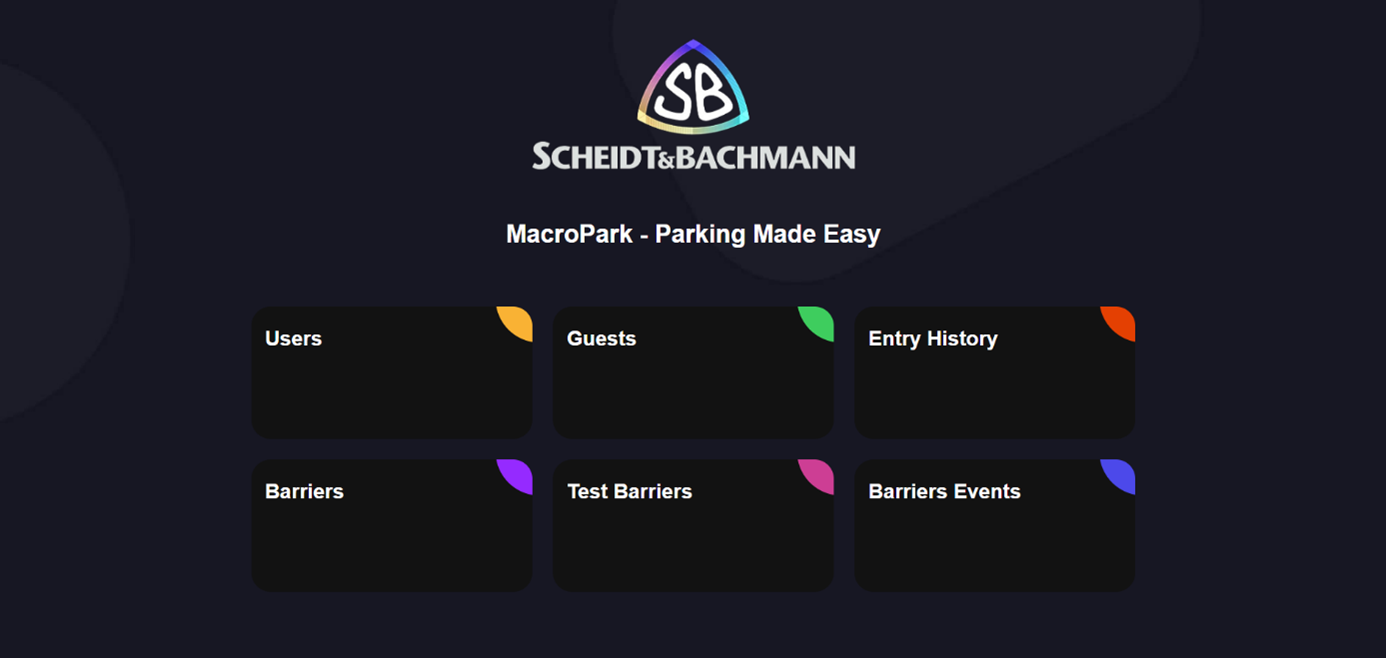
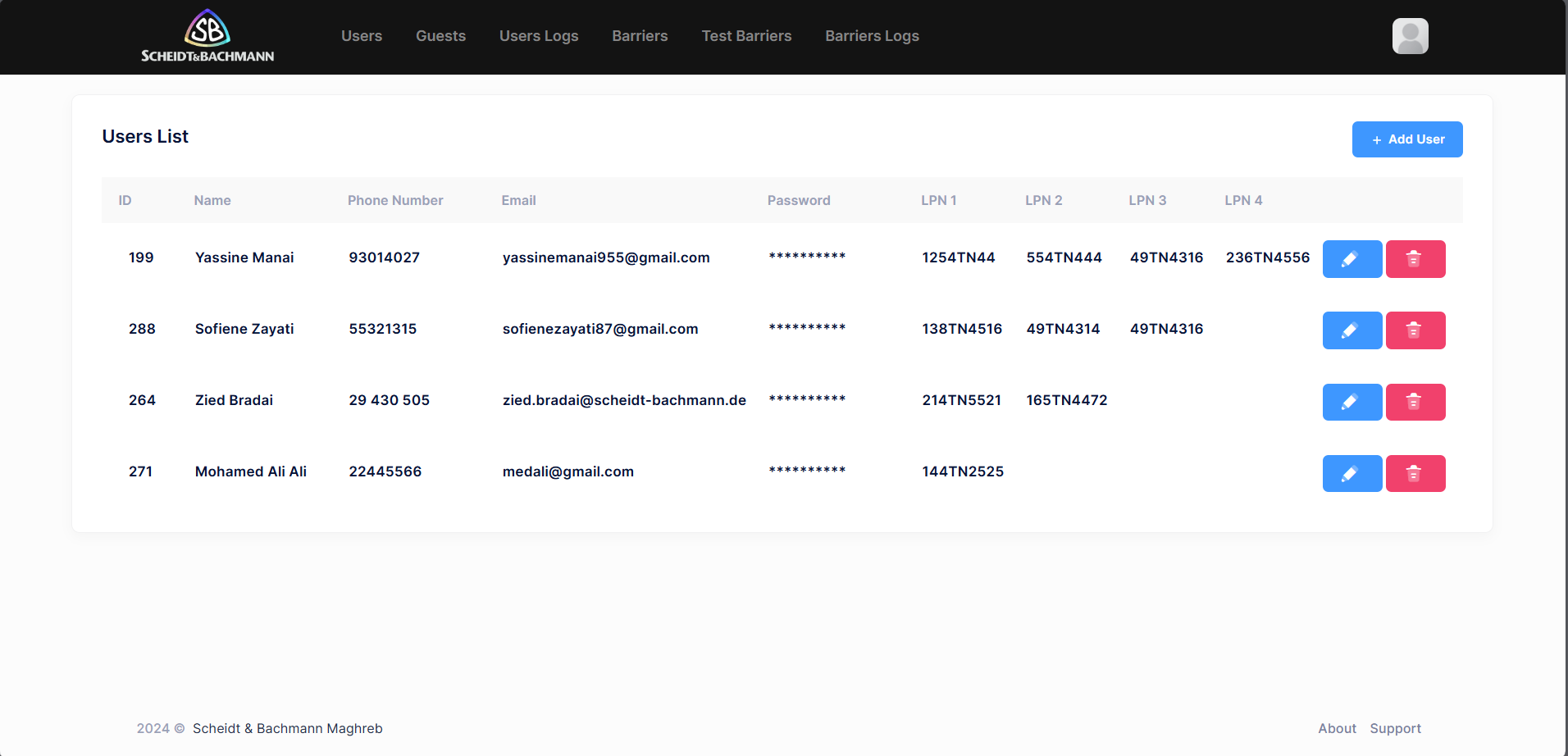
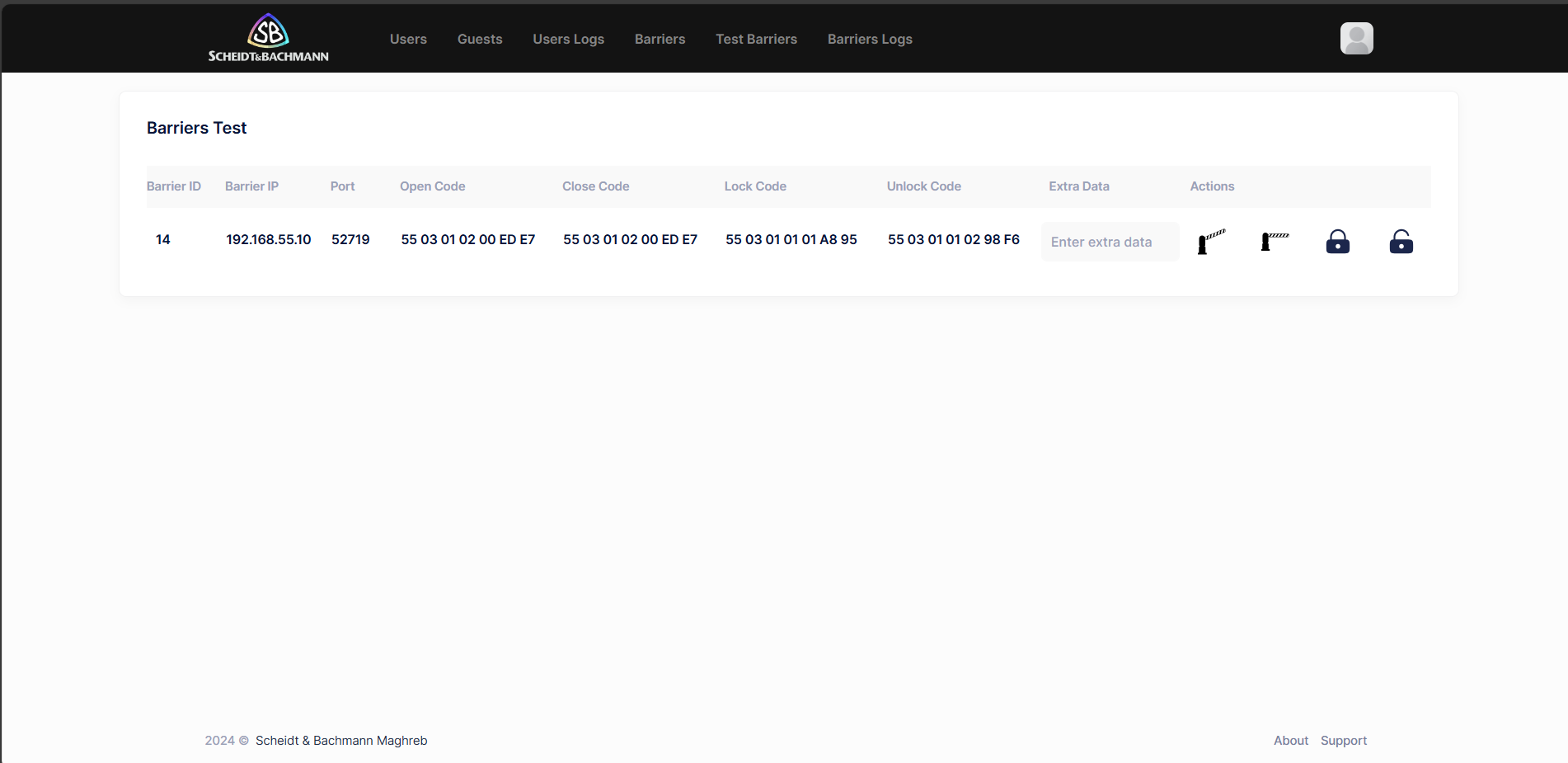
The working system required three application servers, an MQTT broker, databases, a camera, a mobile client, and an embedded controller to agree on access decisions and logs.
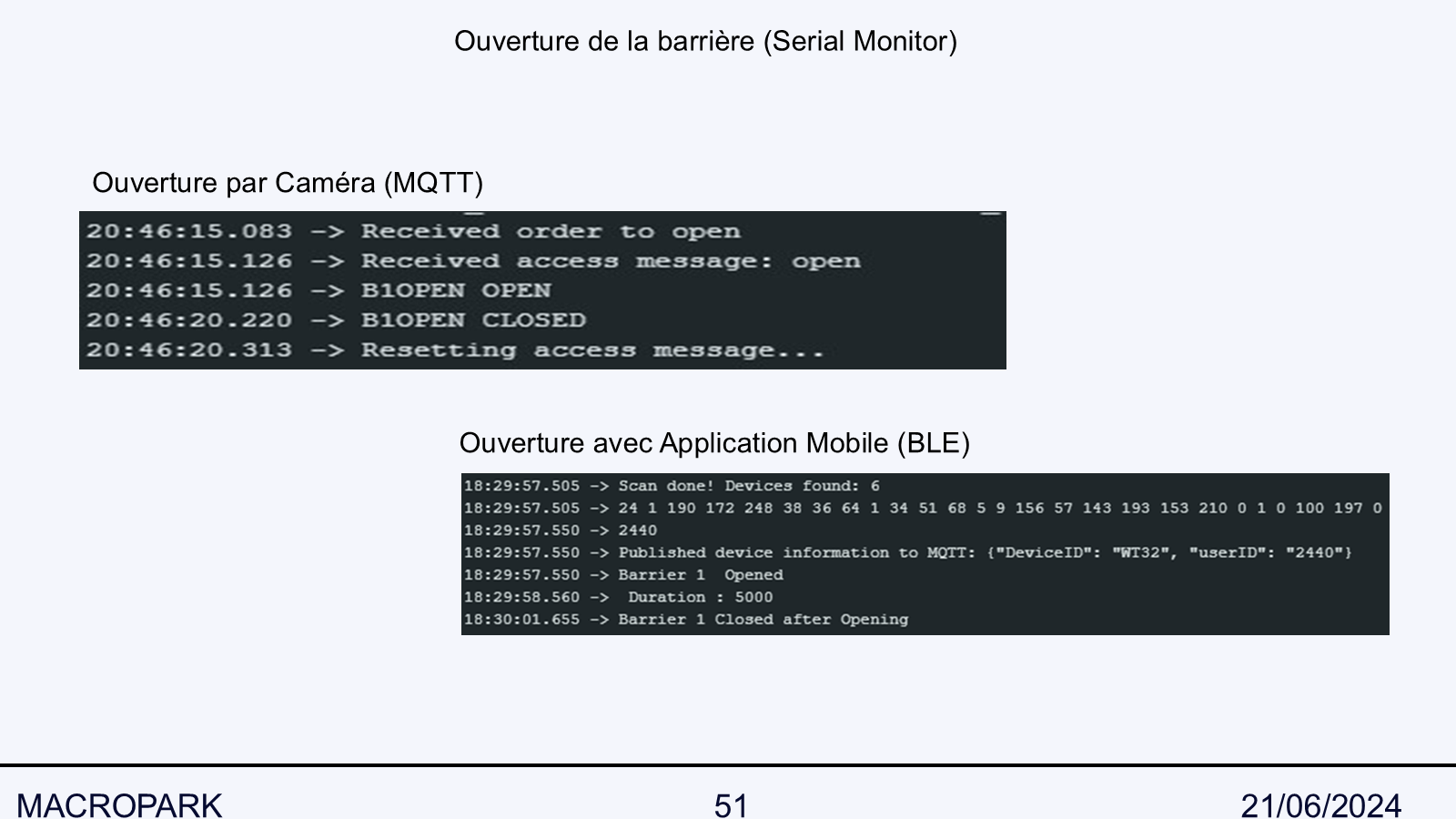
Camera/MQTT and phone/BLE entry had to converge on the same physical barrier behavior while preserving the source and evidence for each event.
The controller needed to remain configurable when infrastructure changed, persist critical network and company settings, and expose a reset path.
Relay wiring, four control channels, timed closing, permissions, BLE payloads, MQTT topics, and actual barrier responses were tested as one system.
Open a technology to see its role in this project.
FastAPI and Jinja interface for parking supervision
Android access, profile, guest registration, and history flows
Documented APIs shared across product components
Backend, Core, and LPR/Bridge service workflows
Camera, decision, controller, and audit messaging
Application and local service persistence
Coordinated deployment of three servers and the MQTT broker
WT32-ETH01 barrier-control firmware
Wired operation with an access-point configuration path
Proximity access commands from the mobile application
Persistent configuration and remote firmware maintenance
Camera-based vehicle plate capture and recognition
Networked edge controller for barrier commands
Independent open and close outputs for four barriers
Admin web, Flutter mobile, LPR services, and embedded barrier control form one complete parking product.
The presentation and report document successful camera/MQTT and mobile/BLE barrier-opening paths.
Implementation progressed through platform, mobile, controller, LPR, and test-and-validation sprints.
Controller configuration, relays, BLE events, MQTT commands, OTA behavior, and access history were validated beyond static interface mockups.
Explore the available resources or talk with me about the design and engineering behind this project.